

At COP29, developing nations are pushing for urgent action to finalize the climate finance agreement that aims to tackle both mitigation and adaptation challenges in developing countries. Central to these discussions is the need for a new collective quantified goal (NCQG) for climate finance, which will replace the $100 billion annual target set for 2020. Countries are grappling with various issues, including the exact amount to be mobilized, the sources of funds, and the duration of the target.
The NCQG, which should come into effect by 2025, is critical as it will enable developing countries to make the investments necessary to reduce emissions, adapt to climate change, and address the impacts of climate disasters. Developing nations are particularly focused on ensuring that this finance also covers “loss and damage” resulting from climate impacts, a topic that has gained prominence in climate negotiations
However, the road to agreement is complicated. Wealthier nations like the US and EU prefer a broad approach that includes contributions from private sectors and emerging economies like China, while developing countries demand that high-income countries take the lead in providing substantial financial resources. The outcome of these negotiations will shape how effectively the international community can address the pressing climate challenges faced by poorer nations
.
For further insights on the debates and progress surrounding COP29’s climate finance negotiations, you can refer to ongoing reports from COP29 in Baku
Read more
 Why global luxury brands are expanding in Saudi ArabiaAugust 30, 2026
 Zain KSA launches the Kingdom’s first commercial rollout of advanced 5G technology for individualsJuly 25, 2026
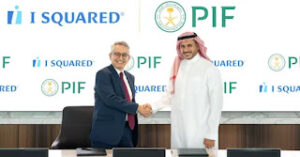 PIF, I Squared Capital sign MoU for up to $2bn infrastructure investmentJuly 13, 2026
 Foreigner real estate ownership changes given Cabinet approval, enhancing Saudi competitivenessJune 24, 2026