The second Public Art Abu Dhabi Biennial opened its Abu Dhabi city chapter on Sunday, November 15, bringing installations by 21 artists and collectives to the Mina Zayed port district, Saadiyat and Al Ain, where the programme had already launched on October 23, according to the Department of Culture and Tourism – Abu Dhabi (DCT Abu Dhabi) and reporting by The National. The outdoor exhibition runs until February 15, 2027.
A smaller, more concentrated edition
Titled Home: A Glossary for a Communal Sense of Place, this edition is led by artistic director Elvira Dyangani Ose, who also heads the Zeitz Museum of Contemporary Art Africa in Cape Town and previously directed Barcelona’s Museu d’Art Contemporani. The curatorial team is led by Natasa Petresin-Bachelez.
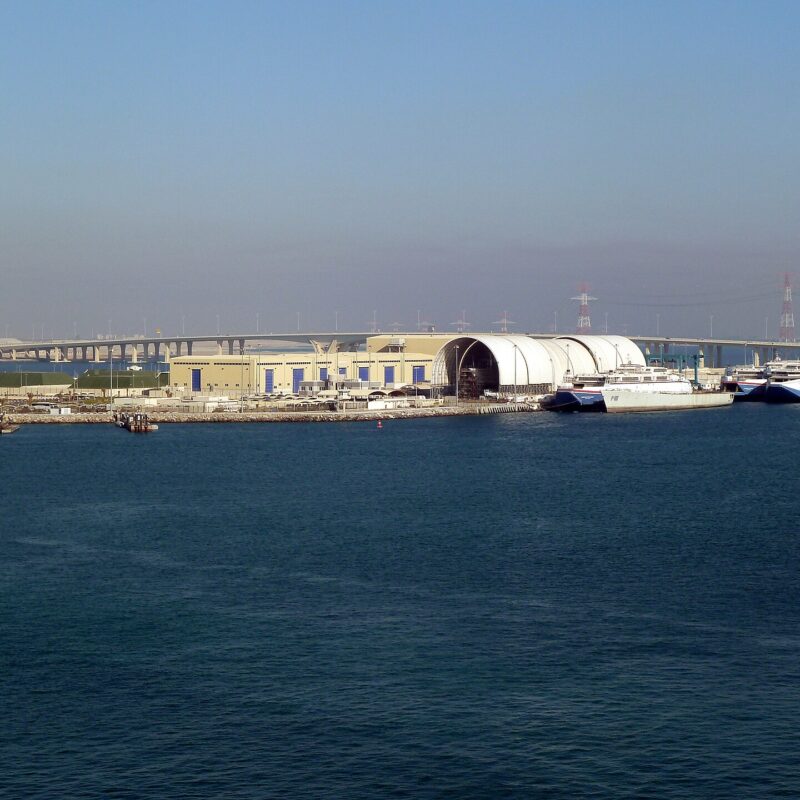
The format marks a clear break with the inaugural biennial, which ran from November 2024 to April 2025 and spread more than 50 projects across Abu Dhabi and Al Ain. This time the organisers have chosen fewer works and grouped many of them around Souq Al Mina and the MiZa site in Mina Zayed, with further pieces in the park between Zayed National Museum and Louvre Abu Dhabi, at Hidd Al Saadiyat and in Al Ain.
Assistant curator Mariam Al Shehhi told The National that the team wanted to avoid scattering works across the city, describing Public Art Abu Dhabi as a museum that operates outdoors. Souq Al Mina was picked in part because it already draws a mixed crowd of families and residents of many nationalities at weekends.
Works rooted in the port’s history
Several installations respond directly to the maritime past of Mina Zayed. Emirati artist Khalid Al Banna presents Gargoor, a reference to the traditional fishing traps used in Gulf waters, while Shama Al Hamed’s I Breathe Through the City turns attention to the air-conditioning pipes that shape daily life in the emirate. American artist Nari Ward has placed a work built around fishing nets in a boatyard, among the remains of old vessels.
At Souq Al Mina, Colombian artist Iván Argote has installed a seesaw alongside enlarged figurines modelled on Bronze Age objects found in the emirate, an echo of the idea that play and childhood were part of life in the region thousands of years ago. Ghanaian collective blaxTARLINES has adapted its fabric umbrella structure, AGORA: A Dance of Umbrella Forests, swapping the wooden frames and handwoven textiles used in Ghana for metal supports and printed fabric suited to the local climate.
Lebanese artist Akram Zaatari shows a sculpture combining the form of an olive tree with a sarcophagus at MiZa. Other participants include Ibrahim Mahama, Yinka Shonibare, Kapwani Kiwanga, Marinella Senatore, Reena Saini Kallat, Céleste Boursier-Mougenot, Serge Attukwei Clottey, Laure Prouvost and Roudhah Al Mazrouei. In Al Ain, Spanish artist Asunción Molinos Gordo draws on research into the aflaj, the traditional irrigation channels of the oasis city.
Which works will stay
The first edition left a lasting mark on the city: several installations were acquired or retained as permanent public artworks, some of them around Saadiyat Cultural District and the Corniche. Al Shehhi said no decision has yet been taken on which works from the 2026 edition will be kept, adding that public response, sustainability and maintenance requirements would weigh on the choice.
Dyangani Ose has said some pieces were conceived to remain in the city while others are meant as temporary experiences. A public programme of talks and activities accompanies the exhibition.
The biennial is part of a dense cultural season in the UAE capital, which has also seen Christie’s hold its first sale in Abu Dhabi and Sotheby’s prepare its own debut fine art auction in the city in December, according to The National.