Four years after launching in Jeddah’s historic Al-Balad district, the Red Sea International Film Festival has become one of the clearest symbols of Saudi Arabia’s broader cultural opening — and its upcoming sixth edition arrives with early registration already open for the industry-facing Red Sea Souk, the festival’s film market and co-production platform.
The festival’s growth trajectory has been unusually fast by regional standards. Launched with the explicit ambition of positioning Saudi Arabia as a serious hub for Arab and African cinema, it has steadily expanded its programming to include competitive strands for Saudi, Arab and international features, alongside industry-facing initiatives aimed at supporting filmmakers through development, financing and distribution rather than simply screening finished work.
That industry infrastructure is arguably the more significant part of the story than the red-carpet premieres that generate most of the festival’s international press coverage. The Red Sea Souk in particular has positioned itself as a meeting point for producers, financiers and distributors working across the Arab world and Africa, regions that have historically lacked a dedicated, well-funded co-production market of comparable scale. For filmmakers from smaller national industries — Sudanese, Yemeni or Mauritanian cinema, for instance — that kind of dedicated access to financing conversations is often harder to come by than festival selection itself.
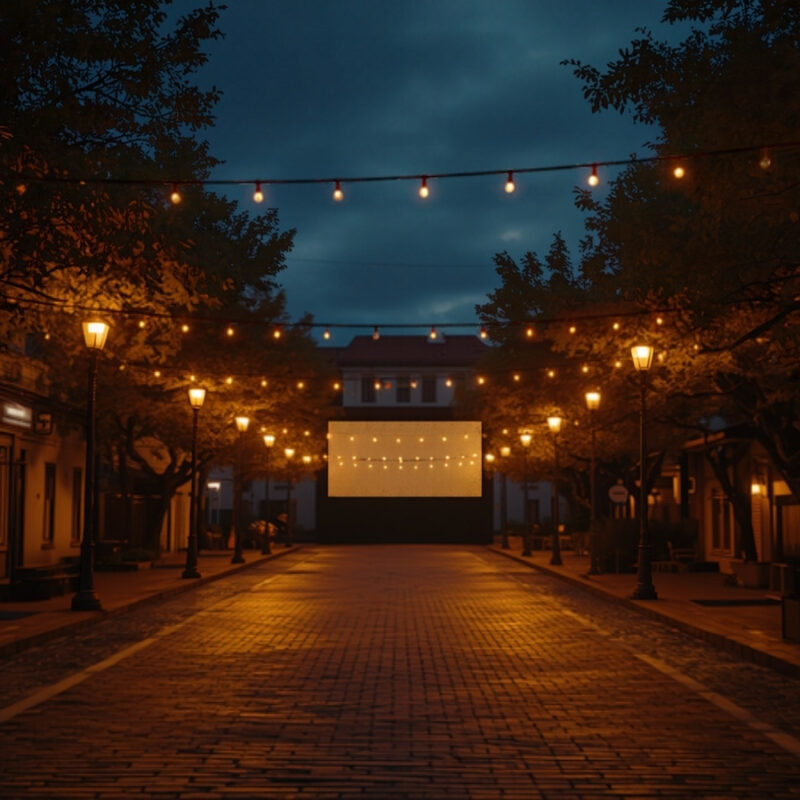
The festival’s setting carries its own symbolic weight. Al-Balad, Jeddah’s UNESCO-listed historic district of coral-stone buildings and centuries-old merchant houses, gives the event a backdrop entirely distinct from the more generic convention-center settings many film festivals default to. Running public screenings and premieres through those historic streets ties the festival’s modern, internationally oriented programming directly to a physical setting with deep local history, rather than treating Jeddah simply as a convenient host city.
None of this erases the broader context the festival operates within — Saudi Arabia’s cultural expansion remains closely tied to the Kingdom’s Vision 2030 economic diversification strategy, and critics have raised ongoing questions about how cultural investment on this scale intersects with the country’s human rights record. Those questions aren’t going away, and audiences and industry professionals engaging with the festival are, in most cases, aware of that tension even as they take part.
Whatever view one takes of that larger context, the practical effect on the ground has been a fast-growing platform for Arab and African filmmaking that didn’t exist five years ago, now entering its sixth edition with enough institutional weight that early industry registration is already underway. For a regional film ecosystem that has long lacked a well-resourced home-grown festival and market of this scale, that alone represents a meaningful shift.